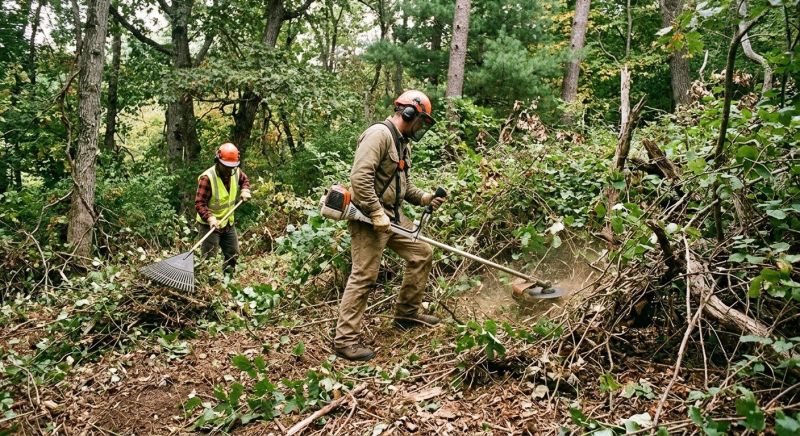
Undergrowth Removal in Houston, TX
Undergrowth removal services focus on clearing dense vegetation, shrubs, and overgrown plants that can encroach on a property’s landscape and structure. This type of work is often requested for projects such as preparing a yard for new landscaping, removing invasive or dead plants, or maintaining safety around pathways and structures. Property owners typically want to understand what types of vegetation can be safely removed, the extent of the overgrowth, and any potential impacts on existing trees or plants before requesting this service.
Homeowners considering undergrowth removal should also consider the scope of the project, including whether it involves selective pruning or complete clearing, and any local regulations or restrictions that may apply. It’s helpful to clarify the desired outcome-whether for aesthetic improvement, safety, or property maintenance-and to discuss any concerns about soil disturbance or debris removal. Proper planning ensures the work aligns with property goals and helps maintain a healthy, well-kept landscape.
Many property owners in Houston, TX look into Undergrowth Removal for repairs, replacements, upgrades, and appearance-related improvements.
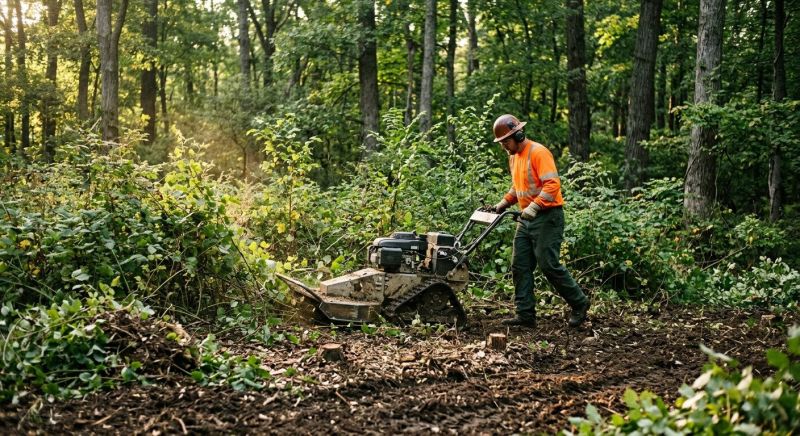
Benefits Of Undergrowth Removal
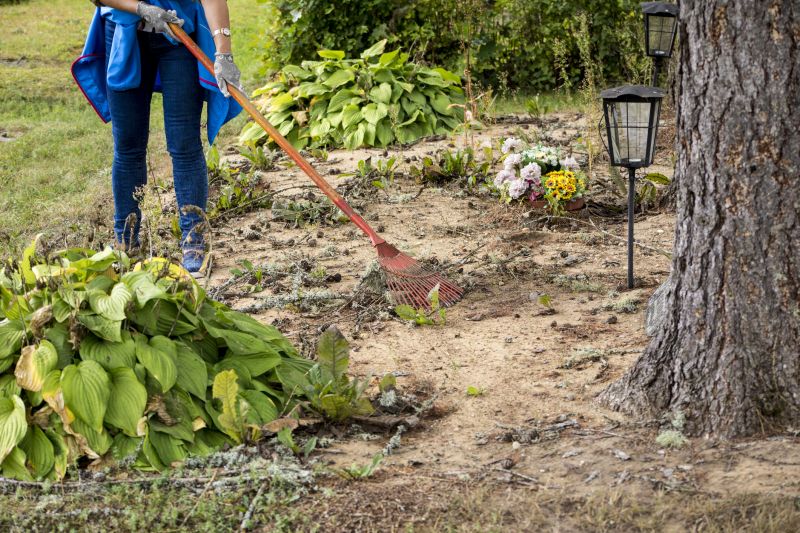
Removing overgrown vegetation helps improve yard safety and aesthetics.
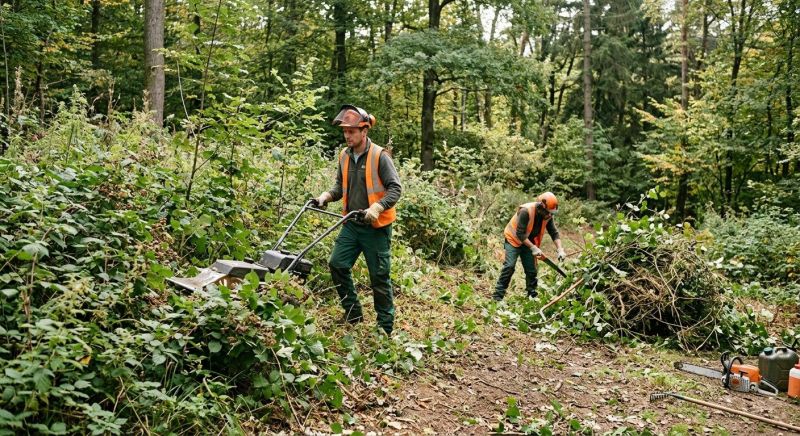
Common Reasons For Removal
Property owners often request undergrowth removal to prevent pests and reduce fire hazards.
Types Of Undergrowth Addressed
Services typically include clearing brush, weeds, and small shrubs to restore a clean landscape.
Undergrowth Removal in Houston, TX

Undergrowth removal services focus on clearing dense vegetation, shrubs, and overgrown plants that can encroach on a property’s landscape and structure. This type of work is often requested for projects such as preparing a yard for new landscaping, removing invasive or dead plants, or maintaining safety around pathways and structures. Property owners typically want to understand what types of vegetation can be safely removed, the extent of the overgrowth, and any potential impacts on existing trees or plants before requesting this service.
Homeowners considering undergrowth removal should also consider the scope of the project, including whether it involves selective pruning or complete clearing, and any local regulations or restrictions that may apply. It’s helpful to clarify the desired outcome-whether for aesthetic improvement, safety, or property maintenance-and to discuss any concerns about soil disturbance or debris removal. Proper planning ensures the work aligns with property goals and helps maintain a healthy, well-kept landscape.
Many property owners in Houston, TX look into Undergrowth Removal for repairs, replacements, upgrades, and appearance-related improvements.
Common Undergrowth Removal Jobs
Undergrowth Removal - clearing overgrown plants and brush to improve yard appearance.
Vegetation Clearing - removing dense undergrowth to promote healthy lawn growth.
Brush and Shrub Removal - trimming or removing unwanted shrubs and thick brush.
Overgrown Area Cleanup - restoring neglected areas by removing excessive undergrowth.
Yard Thinning - reducing dense vegetation to increase sunlight and airflow.
Wild Growth Control - managing invasive plants and preventing future overgrowth.
Undergrowth Removal Questions
What is undergrowth removal? Undergrowth removal involves clearing dense vegetation, shrubs, and small trees from a property to improve appearance and safety.
When should property owners consider undergrowth removal? It is typically needed when overgrown plants hinder visibility, access, or create fire hazards.
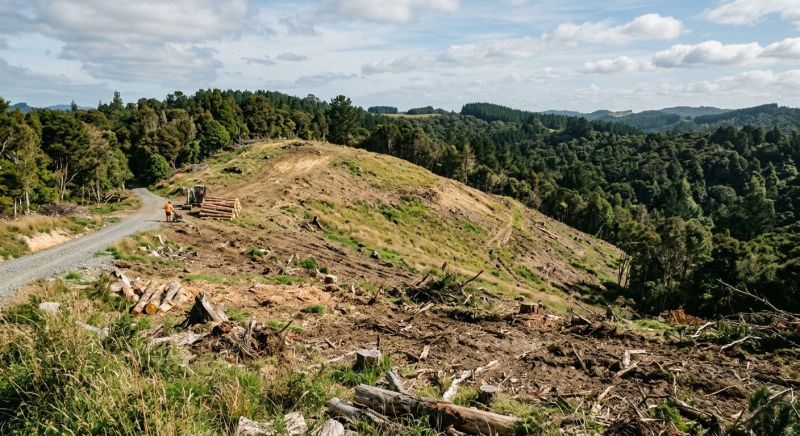
What types of projects require undergrowth removal services? Projects include clearing overgrown yards, preparing land for landscaping, or maintaining firebreaks in wooded areas.
What should property owners know about the process? The process involves trimming, cutting, and removing unwanted vegetation to achieve a clean, manageable space.
Request Undergrowth Removal in Houston, TX
Use the quote form on this page to share the basics of your project and request more information for the type of work you need.