Compare Local Contractors for Trench Installation Projects
Compare local contractors for trench installation to define project scope, verify experience, and set clear expectations in writing for a successful job.
Trench installation services typically encompass the excavation and preparation of narrow, deep channels in the ground to support various infrastructure projects. This work often includes digging trenches for utility lines such as water, gas, or electrical cables, as well as drainage systems or irrigation lines. Contractors may also handle tasks like trench shoring to ensure safety during excavation, backfilling once the work is complete, and restoring the surrounding landscape. Understanding the scope of trench work helps property owners communicate their needs clearly and ensures the project is planned effectively from the outset.
Defining the scope of trench installation is essential for setting clear expectations and avoiding misunderstandings. Property owners should work with local contractors to specify the dimensions, depth, and purpose of the trenches, as well as any site-specific considerations such as existing underground utilities or soil conditions. A well-outlined scope also helps in verifying that the service providers have relevant experience and the appropriate equipment to handle the job safely and efficiently. Clear documentation of the scope can serve as a reference throughout the project, supporting smooth communication and successful completion.
When comparing local contractors for trench installation, property owners should consider factors such as experience with similar projects, reputation within the community, and the scope of services offered. It’s helpful to review any available references or past work examples to assess the quality of work. Additionally, verifying that the contractors understand the specific requirements of the project and are willing to provide a written outline of the scope can help ensure everyone is aligned on expectations. By taking these steps, property owners can make informed decisions and select service providers who are capable of meeting the project’s needs effectively.
Compare local contractors by outlining project priorities, verifying experience, and clearly defining scope and expectations in writing.
- Compare Contractor Experience - Review the backgrounds of local contractors to ensure they have relevant trench installation expertise.
- Define Project Scope Clearly - Establish detailed project requirements and expectations before selecting a service provider.
- Verify Credentials and References - Check references and previous work to assess the reliability and quality of local contractors.
- Document Agreements in Writing - Ensure all project details, responsibilities, and expectations are documented to prevent misunderstandings.
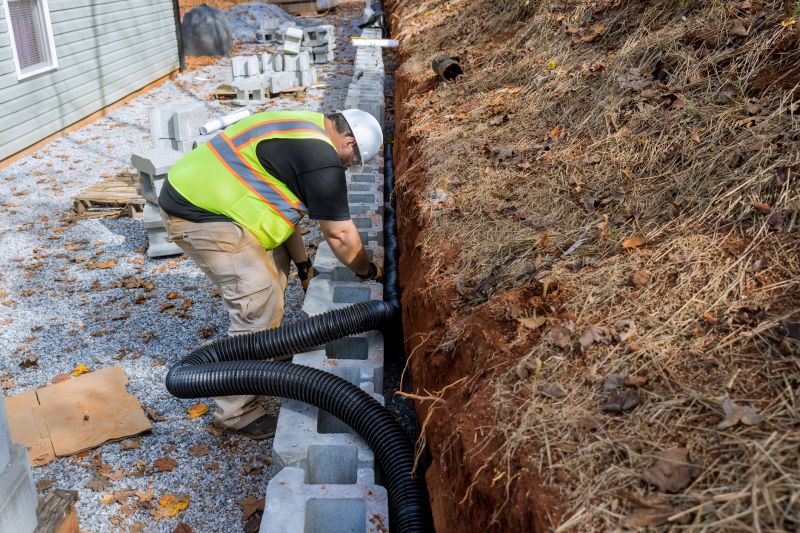
Before comparing contractors for trench installation, clearly describe your project scope and verify their experience in writing.
- Verify experience and references of local contractors with trench installation projects. - Ensure contractors have a proven track record handling similar trench work to meet project requirements.
- Define the scope of work clearly in writing, including trench dimensions, depth, and any specific site considerations. - Clear documentation helps prevent misunderstandings and sets accurate expectations for the project.
- Assess the contractor’s methods for excavation, shoring, and safety measures specific to trench installation. - Confirm that service providers follow appropriate procedures to ensure safety and quality.
- Compare the warranties or guarantees offered by different local contractors for trench work. - Understanding warranty coverage can provide peace of mind regarding the durability and quality of the installation.
- Check for proper permits and compliance requirements that local contractors adhere to during trench installation. - Ensuring compliance helps avoid potential legal issues and project delays.
- Request detailed written estimates that outline the scope, materials, and responsibilities of the service provider. - Clear estimates facilitate informed comparisons and help set expectations for the work involved.
Use this to compare local contractors, clarify scope, verify experience, and set clear expectations.
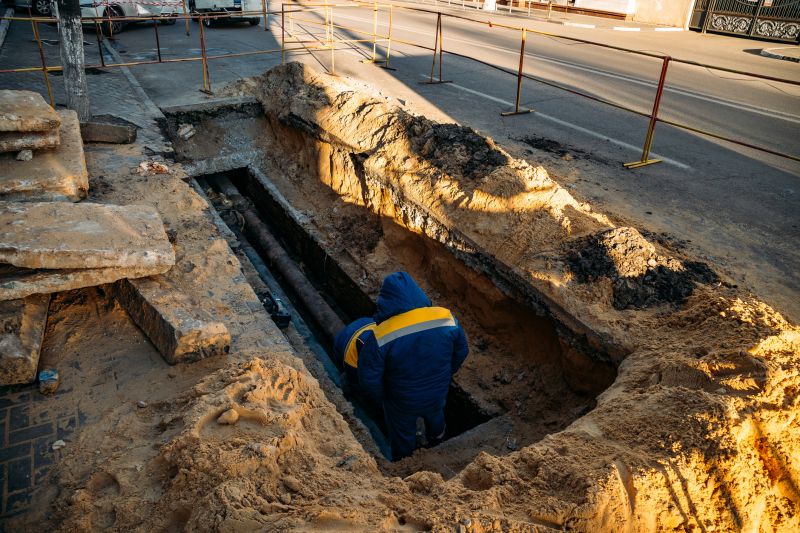
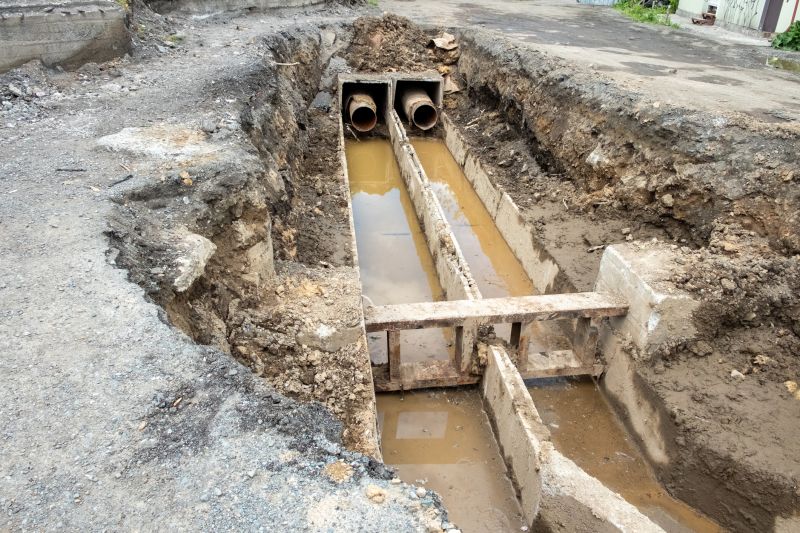

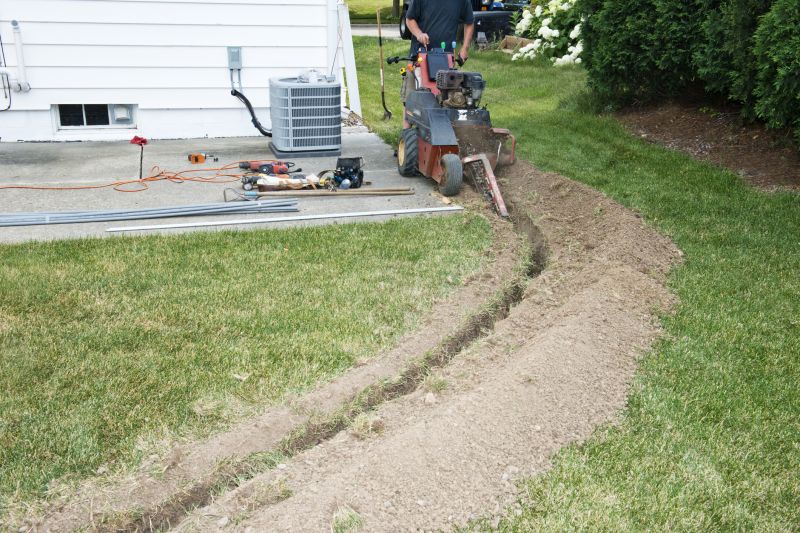
When comparing trench installation contractors, focus on clearly defining scope, verifying experience, and maintaining consistent expectations.
- Scope Definition - Clearly outline the specific trench installation tasks required for the project.
- Experience Verification - Confirm that local contractors have relevant experience with trench installation in similar environments.
- Material Specifications - Specify the types of materials and trench dimensions needed to meet project requirements.
- Worksite Conditions - Assess and document site conditions that could impact trench installation, such as soil type and accessibility.
- Written Agreement - Ensure all project details, expectations, and responsibilities are documented in a formal agreement with local service providers.
When evaluating contractors for trench installation, it is important to consider their experience with similar projects. Homeowners should inquire about the types of trenches they have installed in the past, including the scope and complexity of those jobs. Contractors with a proven track record in trench work are more likely to understand the challenges involved and deliver results that meet expectations. Asking for examples of past projects or references can help gauge their familiarity with the specific requirements of trench installation in different site conditions.
A clear, written scope of work is essential for ensuring that both parties have aligned expectations. Homeowners should seek detailed descriptions of the work to be performed, including the trench dimensions, depth, materials used, and any site preparation or cleanup involved. Having this information documented helps prevent misunderstandings and provides a basis for evaluating whether the contractor’s proposal covers all necessary aspects of the project. It also facilitates communication and ensures that the scope remains consistent throughout the project.
Verifying the basics of a contractor’s background is a key step in the comparison process. Homeowners should confirm that the service providers have the necessary experience with trench installation, including familiarity with local site conditions and regulations. It is also useful to review any available licensing or insurance information, if applicable, and to check for any complaints or disputes that might have been filed. This verification process helps build confidence that the contractor is capable of managing the project responsibly and effectively.
When comparing options, it is helpful to evaluate how each contractor plans to approach the job and how well their proposals align with the homeowner’s project needs. Consider the level of detail in their scope, their experience with similar sites, and the clarity of their communication. Asking service providers to explain their process and how they will address potential challenges can provide insight into their professionalism and expertise. Ultimately, selecting a contractor involves assessing their ability to deliver quality work in a manner that meets the project’s specific requirements, based on a thorough review of their experience, scope, and approach.
Request written scope and details to ensure clear expectations and consistent understanding among service providers.
- Experience and Expertise - What specific experience do local contractors have with trench installation projects similar to yours?
- Scope of Work - How will the scope of trench installation be defined and documented in the project plan?
- Materials and Equipment - What types of materials and equipment do service providers plan to use for the trench installation?
- Project Expectations - How do local contractors clarify project expectations and deliverables in writing before starting work?
- Comparison Factors - What criteria should be used to compare different service providers beyond pricing and timelines?
What should I consider when choosing a contractor for trench installation? It's important to compare local contractors based on experience, reputation, and the scope of services they offer to ensure they meet project needs.
How can I define the scope of trench installation work? Clearly outline the project requirements, including trench dimensions, purpose, and any specific site considerations, then communicate these details with potential contractors.
Why is verifying a contractor's experience important? Confirming a contractor's experience helps ensure they have the skills and knowledge necessary to handle the complexities of trench installation safely and effectively.
What questions should I ask a contractor before hiring for trench work? Ask about their previous projects, methods, safety practices, and how they plan to handle unexpected issues during trench installation.
How important is having a written agreement with a contractor? A detailed written agreement helps set clear expectations, scope of work, and responsibilities, reducing misunderstandings during the project.
What are some tips for comparing different trench installation contractors? Review their experience, request references, verify their understanding of project scope, and ensure their proposed approach aligns with project goals.
This page has provided an overview of key considerations for selecting contractors to handle trench installation projects. Visitors learned how to define the scope of work, verify experience, and establish clear expectations in writing to help ensure a smooth process. Comparing different service providers can help identify options that align with specific project needs and preferences.
To explore local contractors capable of managing trench installation, using the quote form is an effective way to gather information and compare available options. Taking the time to review and evaluate multiple service providers can support making informed decisions tailored to the project's requirements.