Compare Local Contractors for Yard Grading Projects
Compare local contractors for yard grading to define project scope, verify experience, and set clear expectations in writing for a successful job.
Yard grading services typically encompass the process of shaping and leveling the land around a property to improve drainage, prevent erosion, and create a stable foundation for landscaping or construction projects. This work often involves removing excess soil, filling low spots, and establishing a gentle slope away from structures to ensure water flows away effectively. Proper yard grading can help maintain the integrity of the landscape, reduce standing water, and support healthy lawn and garden growth, making it an essential step for property owners looking to optimize their outdoor spaces.
Defining the scope of yard grading work is a critical step in ensuring the project meets expectations and is completed efficiently. Clear communication about the specific areas to be graded, the desired slope, and any existing features or obstacles helps prevent misunderstandings. It’s important for property owners to verify that contractors understand the extent of the work, including the amount of soil to be moved, the grading techniques to be used, and any additional services such as soil removal or compaction. Documenting these details in writing helps establish a shared understanding and provides a reference throughout the project.
When comparing local contractors for yard grading, property owners should consider experience with similar projects, reputation within the community, and the methods they use. Gathering information about a contractor’s background can reveal their familiarity with the terrain and local drainage issues. It’s also helpful to review how each service provider approaches scope definition and communication, ensuring they emphasize detailed estimates and written agreements. By assessing these factors, property owners can make informed decisions and select a contractor whose expertise aligns with the specific needs of the yard and the expectations for the project.
Compare local contractors by clarifying your yard grading priorities, verifying experience, and setting clear expectations in writing.
- Compare Contractor Experience - review the background and expertise of local contractors to ensure they have relevant yard grading experience.
- Define Project Scope Clearly - specify the work details and expectations in written agreements to prevent misunderstandings.
- Verify Credentials and References - check references and past work to assess the reliability of local service providers.
- Request Written Estimates and Plans - obtain detailed, written descriptions of the work to set clear expectations for the project.
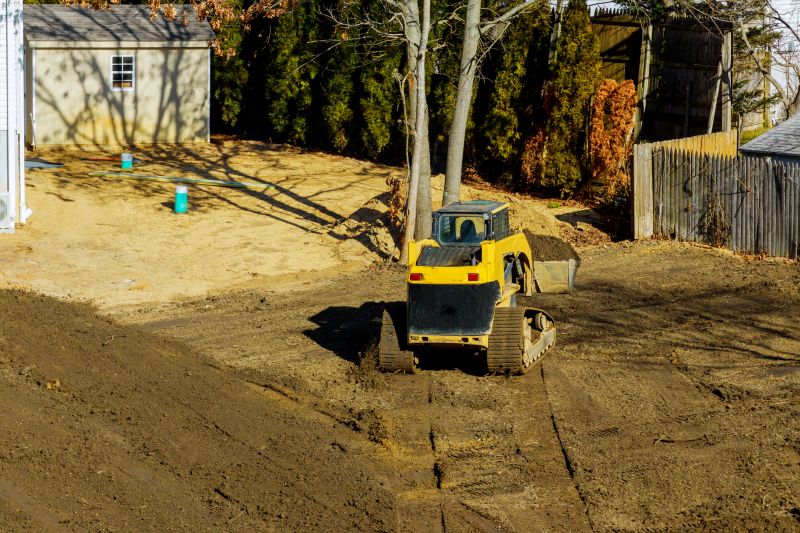
Before comparing contractors for yard grading, clearly describe your project scope to ensure accurate options.
- Verify experience in yard grading to ensure contractors understand site-specific requirements. - Look for local contractors with a proven track record in yard grading projects similar to the scope needed.
- Define the scope of work clearly in writing to set expectations and avoid misunderstandings. - Ensure the scope includes details such as grading levels, drainage plans, and any necessary site preparation.
- Compare multiple local contractors to evaluate their expertise, services offered, and reputation in yard grading. - Seek recommendations or reviews to gauge the quality of previous work and reliability.
- Check that contractors assess the site thoroughly before providing a scope to identify potential challenges. - A detailed site evaluation helps ensure the scope is accurate and achievable.
- Request detailed written proposals that outline the scope, materials, and methods to compare options effectively. - Clear proposals facilitate informed decisions and set a solid foundation for the project.
- Discuss project expectations, including grading levels and drainage goals, to confirm alignment before work begins. - Clear communication helps prevent scope creep and ensures satisfaction with the final results.
Use this to compare local contractors, clarify project scope, verify experience, and set clear expectations.

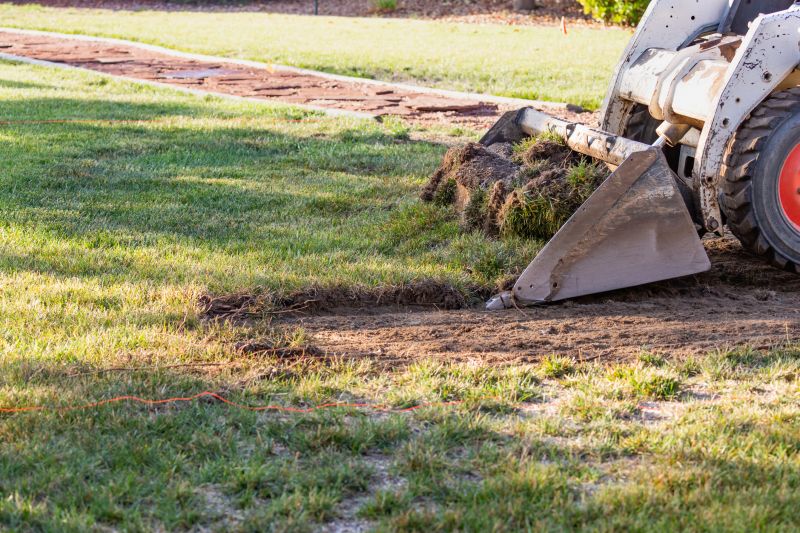
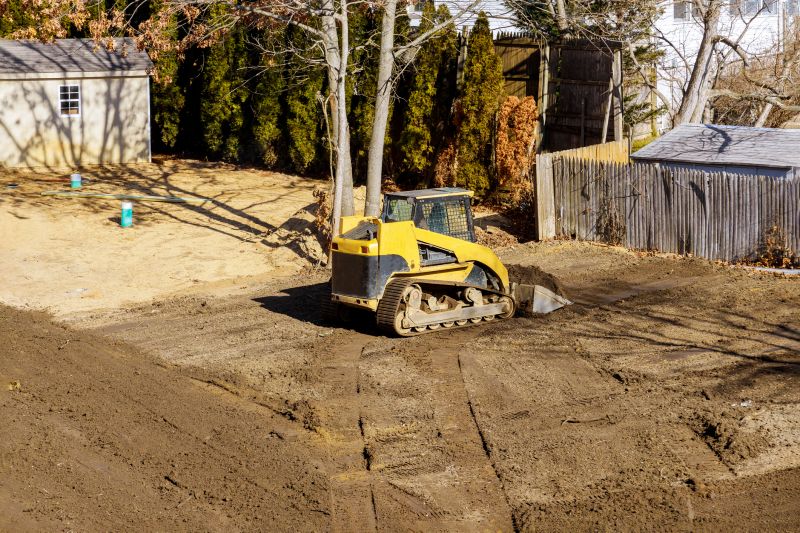

Compare local contractors' scope definitions and experience to ensure consistent yard grading expectations without focusing on prices.
- Define grading scope - clearly specify the extent and purpose of yard grading to ensure all parties understand the project requirements.
- Verify experience and expertise - assess the background of local contractors to confirm their familiarity with yard grading techniques and site conditions.
- Establish project specifications in writing - document desired grading levels, drainage considerations, and any specific site features to set clear expectations.
- Compare service providers - evaluate multiple local contractors based on their scope definitions, experience, and ability to meet project needs.
- Confirm communication and scope adjustments - ensure there is a process for discussing potential changes and updates to the project scope throughout the work.
When comparing contractors for yard grading, it’s important to evaluate their experience with projects similar to yours. Service providers who have a proven track record with yard grading work comparable in scope and complexity are more likely to understand the specific challenges involved. Ask about their previous projects to gauge familiarity with different soil types, drainage issues, and landscape configurations. A contractor’s familiarity with local conditions can also influence the quality and durability of the work, making experience a key factor in the decision-making process.
A clear, written scope of work helps ensure that expectations are aligned before any work begins. When reviewing proposals or discussing options, look for detailed descriptions of the work to be performed, including the extent of grading, soil removal or addition, and any necessary site preparation. A well-defined scope reduces the risk of misunderstandings and provides a basis for evaluating whether the contractor’s approach matches the project’s needs. Avoid vague language or general statements that don’t specify the tasks involved, as these can lead to discrepancies later on.
Verification basics involve confirming that the contractor has the necessary experience and understands the project requirements. Ask for references or examples of completed yard grading projects, and consider speaking with previous clients if possible. It’s also helpful to verify that the contractor has appropriate insurance or liability coverage, which can protect against unforeseen issues. Additionally, inquire about their process for assessing the site, such as soil testing or drainage analysis, to ensure they have a methodical approach to planning the work.
Evaluating options without focusing on prices involves analyzing the quality of proposals, the clarity of scope, and the contractor’s experience. Compare the details provided in each proposal to see how thoroughly they address your project needs. Look for service providers who demonstrate a clear understanding of the work involved and can articulate their approach. Consider how well each contractor’s experience aligns with your project’s specific conditions, and prioritize those who offer comprehensive, detailed plans. This approach helps identify the most capable service providers to handle yard grading effectively.
Request written details from service providers to ensure clear scope and consistent expectations for yard grading.
- Experience and Expertise - What experience do local contractors have with yard grading projects similar to this scope?
- Scope of Work - How do contractors define and clarify the specific scope and deliverables for yard grading?
- Comparison of Services - What services and techniques do different service providers include in their yard grading offerings?
- Work Process and Methods - How do local contractors plan to approach the yard grading to ensure proper drainage and stability?
- Written Agreements - Are scope details and expectations documented clearly in the service agreement before work begins?
How can I compare yard grading contractors effectively? To compare local contractors, review their experience, request references, and verify their reputation through reviews or industry associations. Ensuring they understand your project scope helps in selecting the right professional.
What should I include in the scope of work for yard grading? Clearly outline the areas to be graded, desired slope or drainage features, and any specific site considerations. Providing detailed instructions helps contractors deliver accurate estimates and services.
How can I verify a contractor’s experience with yard grading projects? Ask for examples of previous work, inquire about the types of projects they have completed, and seek references from past clients to assess their familiarity with yard grading tasks.
Why is it important to put project expectations in writing? Documenting scope, responsibilities, and deliverables ensures clarity, helps prevent misunderstandings, and provides a reference for both parties throughout the project.
What questions should I ask when evaluating local yard grading contractors? Inquire about their experience, methods, materials used, and how they handle site-specific challenges. These questions help determine their suitability for your project.
How can I ensure a contractor is qualified to perform yard grading? Review their experience, request references, and verify that they have the necessary skills and knowledge to handle your specific grading needs effectively.
Understanding the essentials of yard grading services can help in making informed decisions. Visitors learned how to clearly define the scope of their project, verify the experience of local contractors, and set expectations in writing to ensure a smooth process. Comparing available service providers enables homeowners to find options that align with their specific needs and preferences.
Using the quote form allows for easy comparison of local contractors who specialize in yard grading. It provides an efficient way to connect with experienced service providers, helping to gather information and evaluate options without the need for direct outreach. This approach supports making well-informed choices tailored to individual project requirements.